Practical Bavaria · Munich & Surroundings
When to Visit Bavaria: A Season-by-Season Guide
Personally visited by Martin · 19 September 2026
I've now hiked, eaten, and trained my way across Bavaria in spring, summer, and autumn — Bamberg in May, Eibsee and the Zugspitze in June and July, Karwendelbahn and Rotwand in September. Every season here looks like a different country. Here's what actually changes, month to month, based on what I've seen myself plus what I checked to fill the gaps.
Spring (March–May): fewer crowds, unpredictable skies
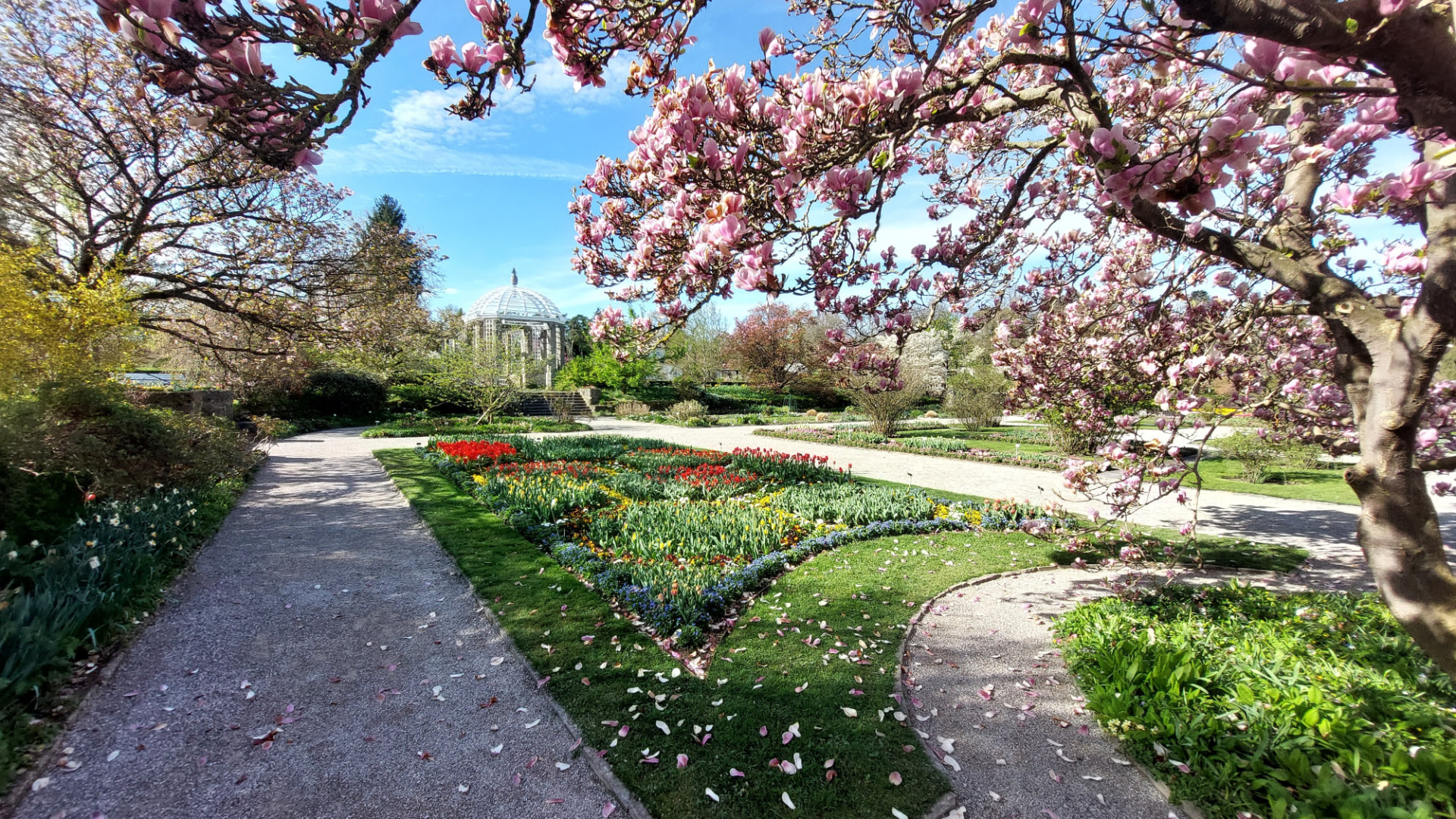
Temperatures run 5–15°C and swing fast — I've had sunshine turn into a cold snap within the same afternoon, so a waterproof layer matters more than it looks like it should. Late May can already run hot in a way that catches people off guard, sometimes pushing well past what you'd expect for spring — worth checking the forecast rather than dressing by the calendar if your trip lands right at the spring-summer border. This is the quietest stretch at the big names: Neuschwanstein and central Munich both thin out compared to summer. Beer gardens reopen for the season, alpine meadows start filling with wildflowers, and Munich's Starkbierfest (March) is worth timing a trip around if strong beer and a much smaller crowd than Oktoberfest sounds appealing. My own May trip to Bamberg — smoked beer, the old town, none of the queues I'd expect in July — is exactly this season's case for itself.
Summer (June–August): peak hiking, peak everything else
Warm days in the 20–30°C range, cooler nights, and this is when I've done most of my actual hiking here — Eibsee in early June, Herzogstand a few weeks later, the Zugspitze via Höllental in July. That said, the range on the warm end has been creeping up: recent summers have brought stretches well past 35°C, and it's no longer a reliable June-and-August-only pattern — this year the real heat showed up in July too. Don't assume the calendar tells you when the hot spell lands; check the forecast for your actual dates rather than trusting the "typical" months. It's also when Bavaria gets genuinely busy: the well-known trails and lakes fill up, and the popular restaurants and beer gardens (Augustiner Keller, which I visited in August, gets properly full on a warm evening) are worth arriving early for. If you want the quieter version of summer, aim for a weekday over a weekend — the difference is bigger than you'd expect.
Autumn (September–November): my own favorite so far
This is where most of my own visits actually cluster — Karwendelbahn and Mittenwald and Neuschwanstein in September, Rotwand a week later. Temperatures range 5–20°C, the light gets better for photos, and the Alps put on genuine color. Almabtrieb — the cows coming down from the high pastures wearing flower crowns and oversized bells — happens across September and October, and Mittenwald is one of the nicer places to catch it. Oktoberfest itself runs into early autumn in Munich, and it's worth being blunt about what that means: it's the single most expensive stretch of the year to be in the city. Hotel prices spike hard, restaurants and beer halls charge festival rates, and the city gets loud and full for those two-odd weeks specifically — everywhere else in Bavaria barely notices, so if the festival itself isn't the point, it's worth avoiding Munich altogether during it rather than just bracing for crowds. Once Oktoberfest ends, autumn quietens down fast, and by late October you get real trail solitude for the price of shorter days.
Winter (December–February): lived here through it, just haven't hiked it yet
Fair to be precise about what this is: I don't have a winter hike on this blog, and a set of Munich Christmas market photos is still waiting to be written up — so a proper first-hand winter piece is coming, just not finished. But I do live here through the winters, so this isn't a total blank spot either — just not a mountain one yet. In the city and lowlands, winter is milder than people expect: when snow falls it's often not much, and it tends to be gone again within a few days rather than sticking around. I haven't bought proper winter boots in about ten years and manage fine with ordinary shoes for everyday life in Munich. The mountains are a different story, and this part is research rather than my own experience: temperatures run colder at altitude, trails can be genuinely icy, and the right gear there is crampons (Grödel) and trekking poles, not just warm layers. One thing worth being direct about, especially if you're coming from outside Germany: check that you're actually covered for mountain rescue before you go, not just for the trip in general. A lot of standard travel insurance doesn't cover it, and a helicopter rescue can run into the thousands (details below) — some countries sell dedicated alpine/mountain insurance as its own product (Slovakia does, for instance), so if yours does too, that's the one to check for, not just a generic travel policy. Munich's Christmas markets run from late November through December 24th, Nuremberg's among the best-known nationally. Skiing is on, with locals often preferring smaller, less crowded areas like Brauneck over the bigger, busier Garmisch resorts. Mountain huts mostly close for the season — check ahead rather than assuming one will be open the way it was in September. Snow can close Alpine passes without much warning, so build slack into any winter driving plans.
Haki tip: If you can only pick one season and hiking is the point, come in September. You get summer's open trails and huts without summer's crowds, the light is better for photos than any other month I've tried, and the Alps do the color-changing thing that makes every photo look slightly unfair to whoever's stuck looking at it in December.
Quick questions
- Is Oktoberfest the best time to visit?
- For the festival itself, yes — but Munich gets loud, full, and expensive for those two-odd weeks, and it's a Munich phenomenon, not a Bavaria-wide one. If Oktoberfest itself isn't the point, September just after it ends is quieter and just as nice.
- What's the single best month overall?
- September, in my own experience so far — it's when most of my own trips have landed, and for good reason: still-open infrastructure, thinning crowds, and the best light of the year.
- Do mountain huts stay open in winter?
- Mostly not — huts geared toward hikers close for the season, typically by late October or November depending on the location. Always check the specific hut's own page before planning around it rather than assuming.
Useful links
- Deutschland-Ticket — €63/month as of 2026, covers regional trains/buses/trams nationwide
- Bayern-Ticket — cheaper than the Deutschland-Ticket if you're doing single day trips within Bavaria rather than traveling every day
- DAV (German Alpine Club) hut status — check which mountain huts are actually open before planning a trip around one, especially outside summer
- Deutscher Wetterdienst — current weather warnings — Check the official DWD weather warnings before any hike, and combine them with a summit-specific mountain forecast for your exact route.
- DAV Alpiner Sicherheitsservice (mountain/helicopter rescue insurance) — a helicopter rescue in the Alps typically runs €3,000–6,000, and statutory or standard travel health insurance usually only covers it if the rescue was medically necessary — an unhurt hiker who just needs extracting is often billed directly. DAV membership (roughly €80/year) includes this cover up to €50,000. If visiting from outside Germany, check first whether your own country offers dedicated mountain/alpine rescue insurance (Slovakia and several others do) — usually a better fit for a single trip than joining a German club.
Quick facts
- Region
- Munich & Surroundings
- Access
- Bavaria-wide — this guide covers the whole region, not a single spot
- Distance
- 0 km from Munich
- Cost
- €
- Best months
- Late May – early October for hiking and full infrastructure; late November–December for Christmas markets.
- Crowds
- medium crowds (my assessment)
Where it is
Bavaria, Germany
Weather
Full forecastMore in Munich & Surroundings
Renting a Car in Bavaria: What You Actually Need to Know
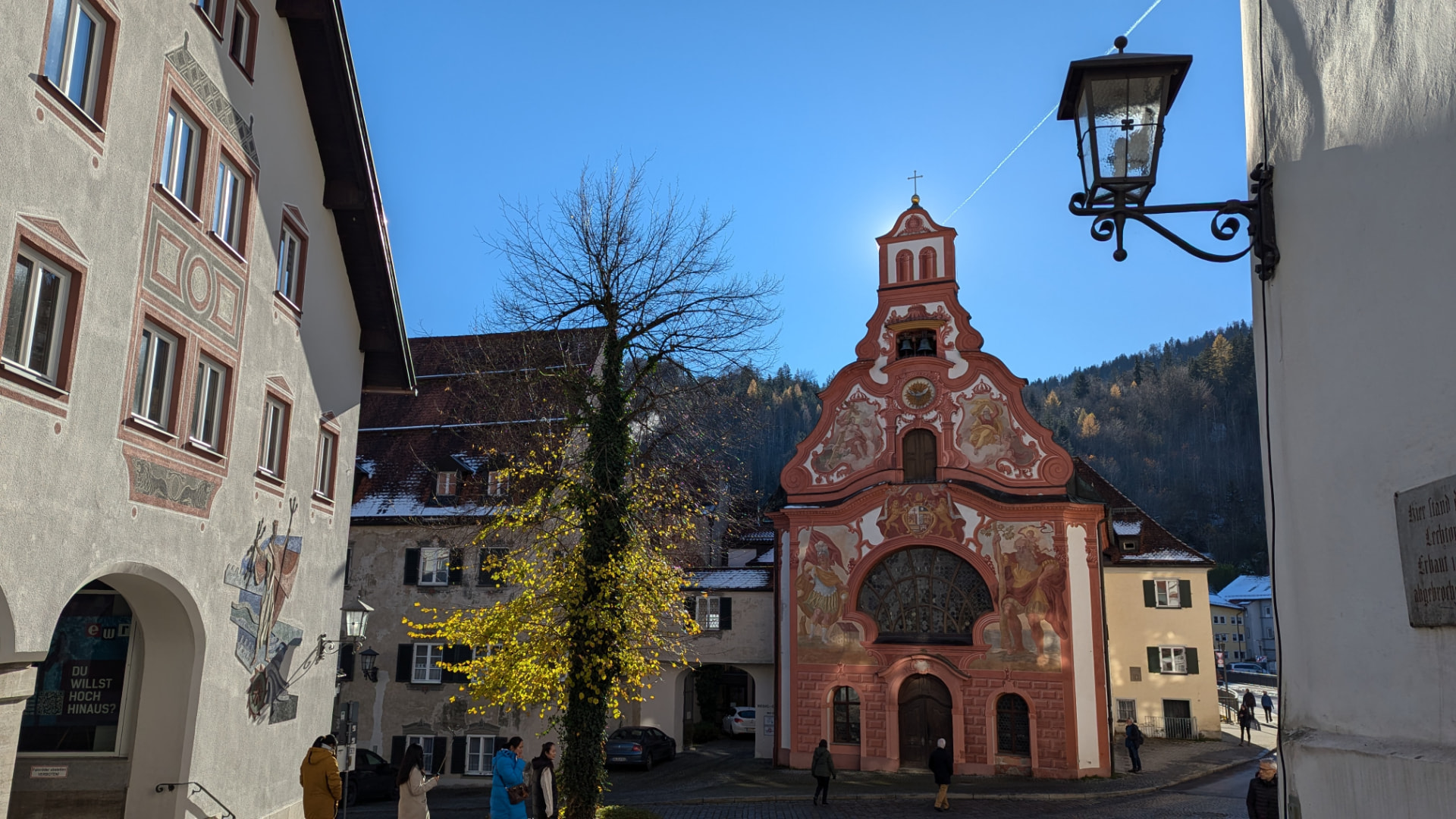
I don't rent a car when I'm in Bavaria — every trip on this blog gets there by train — but plenty of readers travel with family, gear, or a schedule that public transport just doesn't match. So here's everything I'd want to know before renting one here, checked against the actual rules rather than a rental company's fine print.

Food & Drink in Bavaria: What to Actually Order
I've eaten my way through the Bavarian classics by now — Weißwurst the proper way before noon, Schweinshaxe, Kaiserschmarrn at a mountain hut after a hike, Obazda with a fresh Brezn — and worked through most of the beer list too, from a Helles straight out of the barrel at Augustiner to a Maß of Festbier at Oktoberfest. Here's what's actually worth ordering, how the beer gardens work, and why the rules are stricter than they look.
One Day in Munich: How a Local Would Actually Spend It
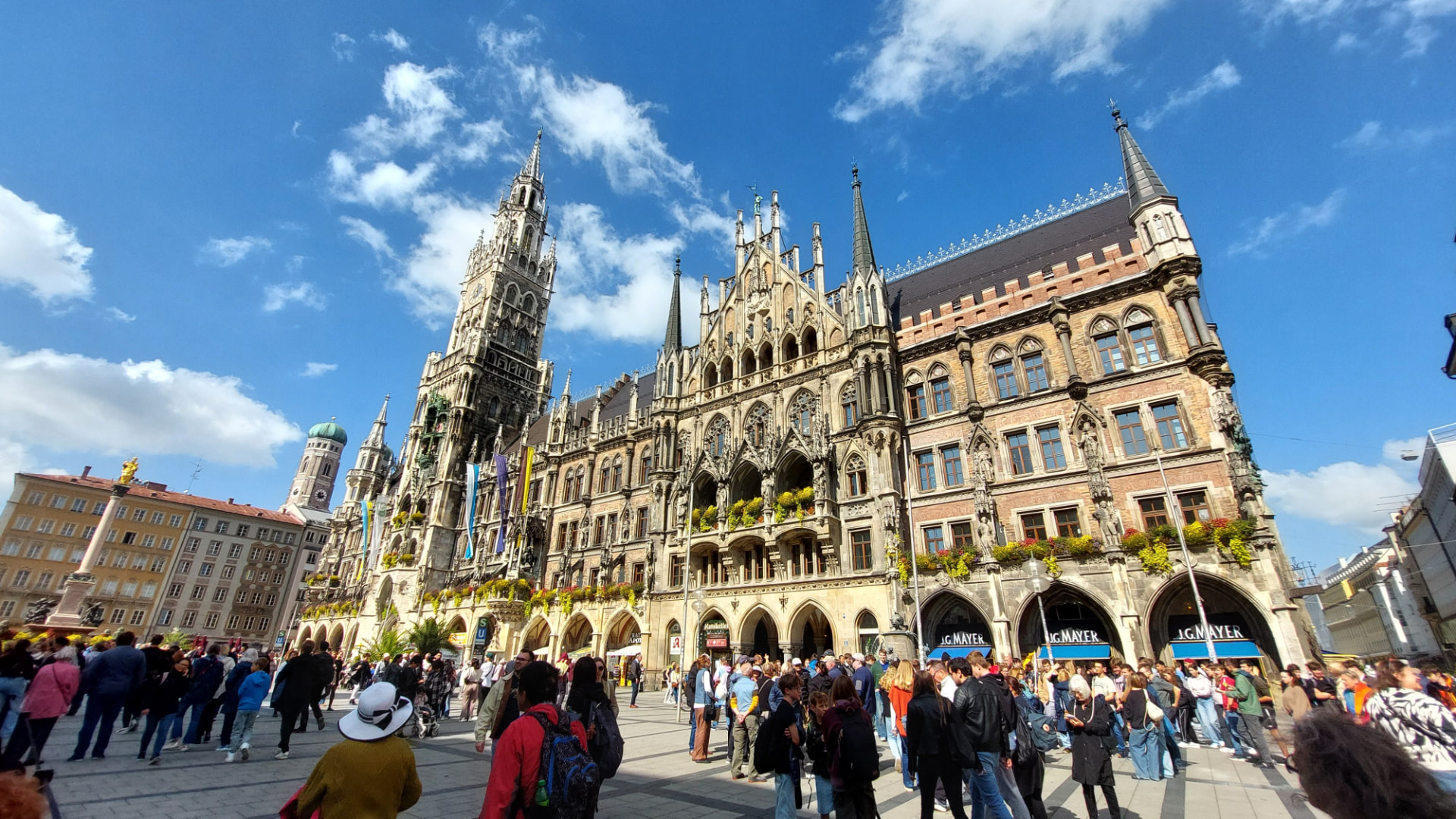
This is the route I actually take people on when they've only got one day in Munich — not a checklist of every famous sight, but the walk that starts at the square everyone calls by its nickname, takes a detour through a church most tourists miss, and ends with a choice: watch the sunset from a palace garden, or keep going to a hill with the best view in the city. It fits in a day on foot, tram, and (if you want) a rented bike, and every stop on it is one I go back to myself.
New trips, straight to your inbox
No spam. Just the routes, how to get there by train, and the best time to go.
By subscribing, you agree to receive the Haki Travels newsletter. We'll send you one email to confirm your subscription, and you can unsubscribe at any time. Privacy Policy